Navu Project, Bengaluru
Hospitality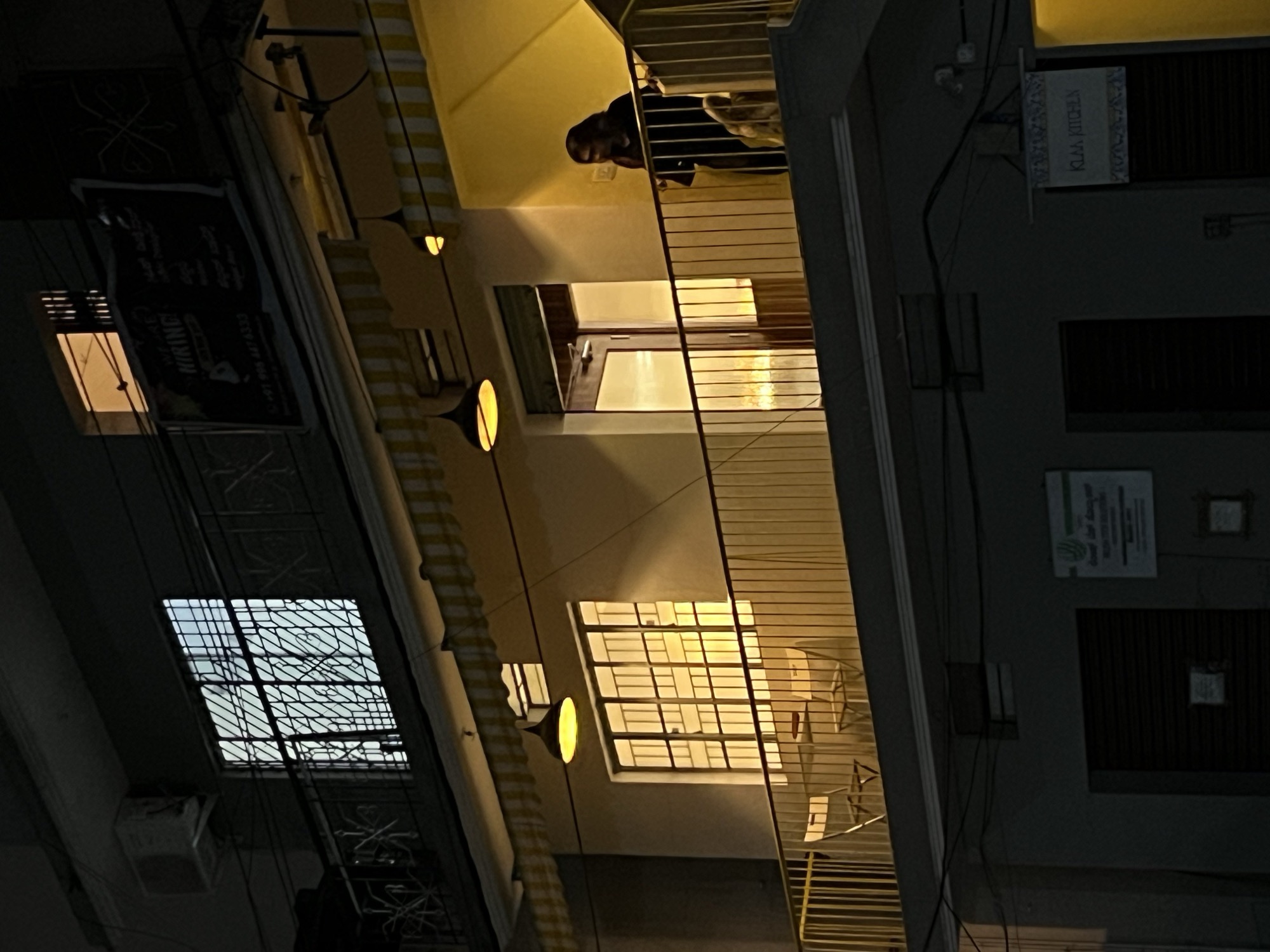
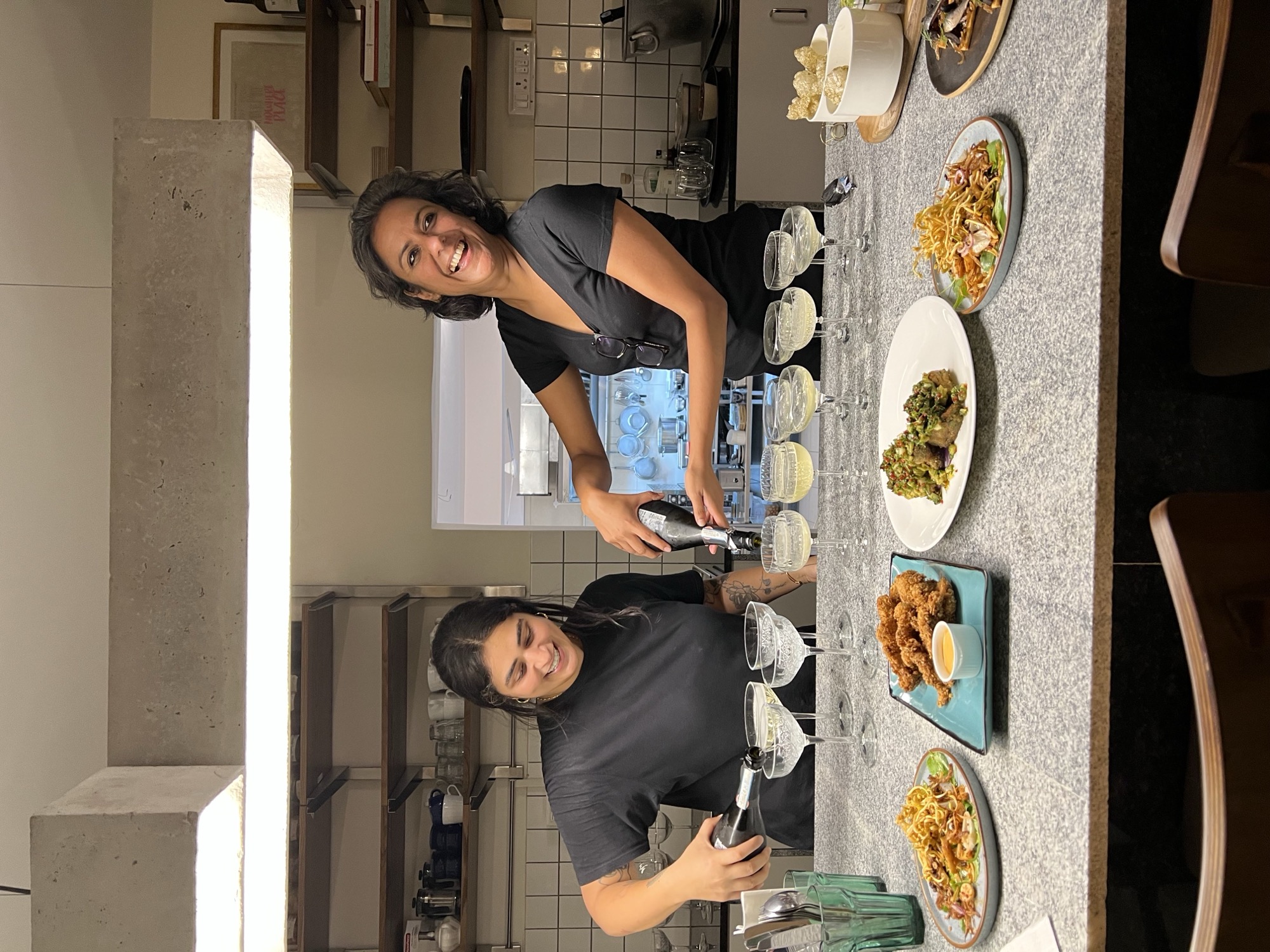
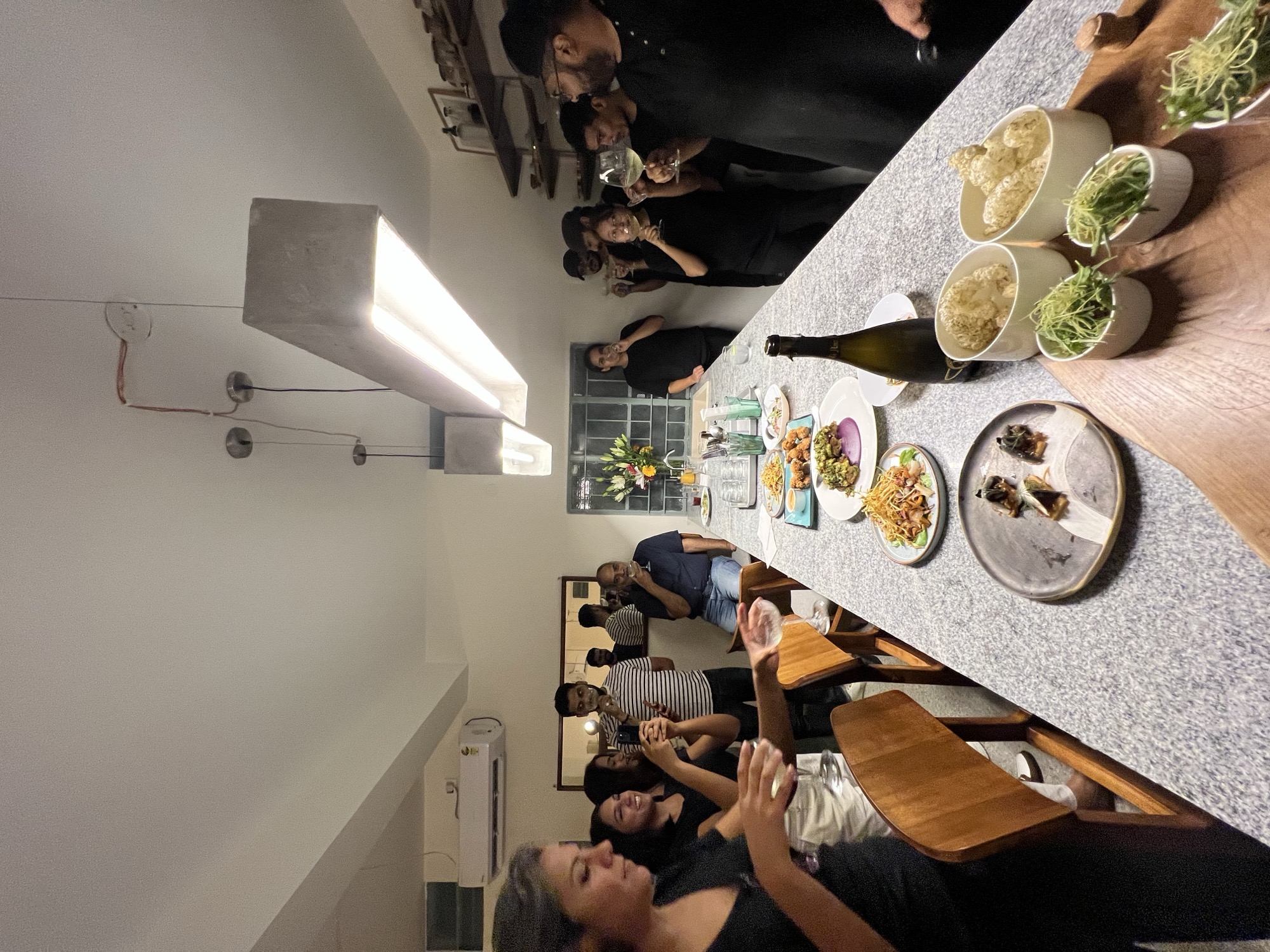
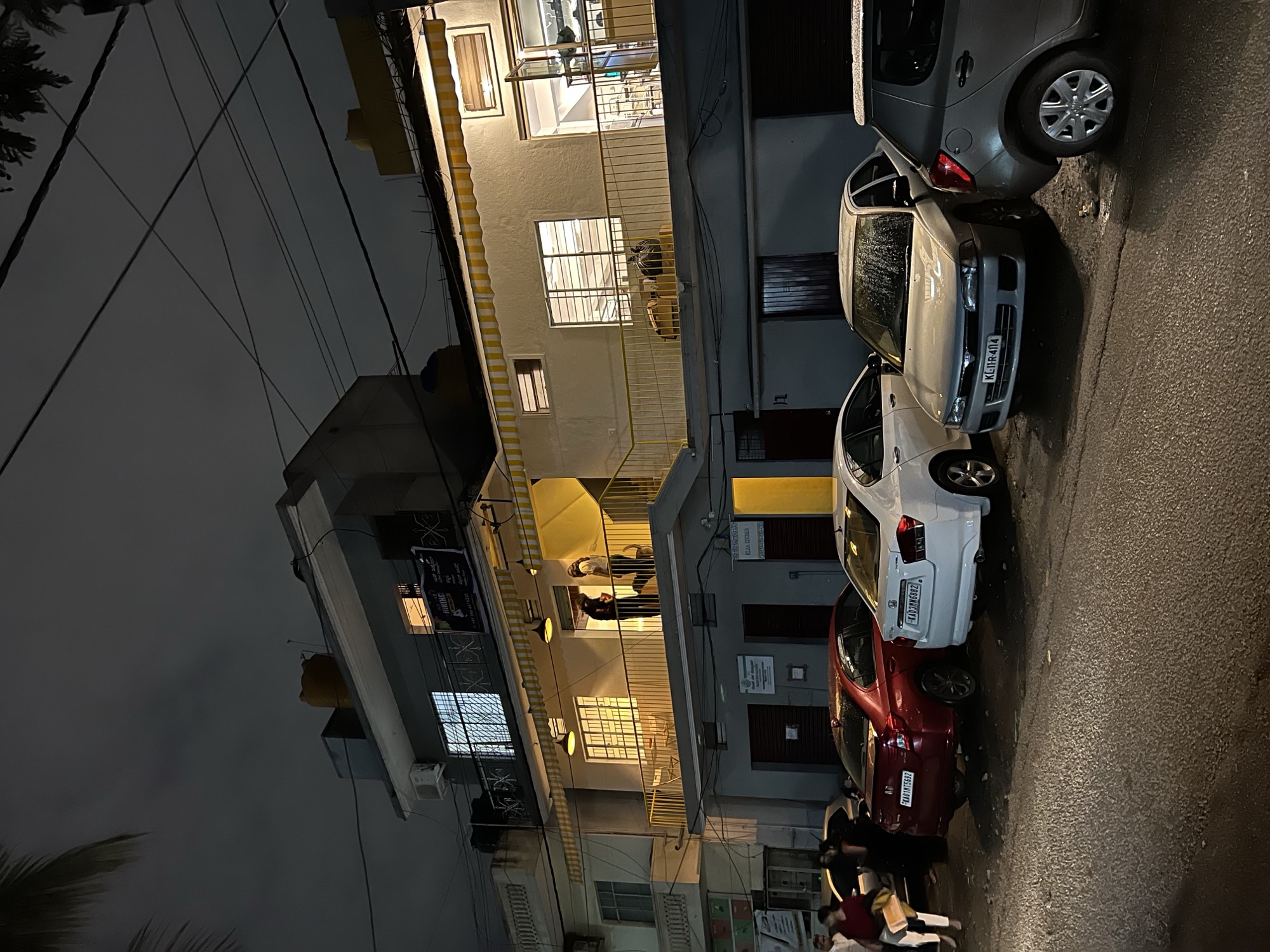
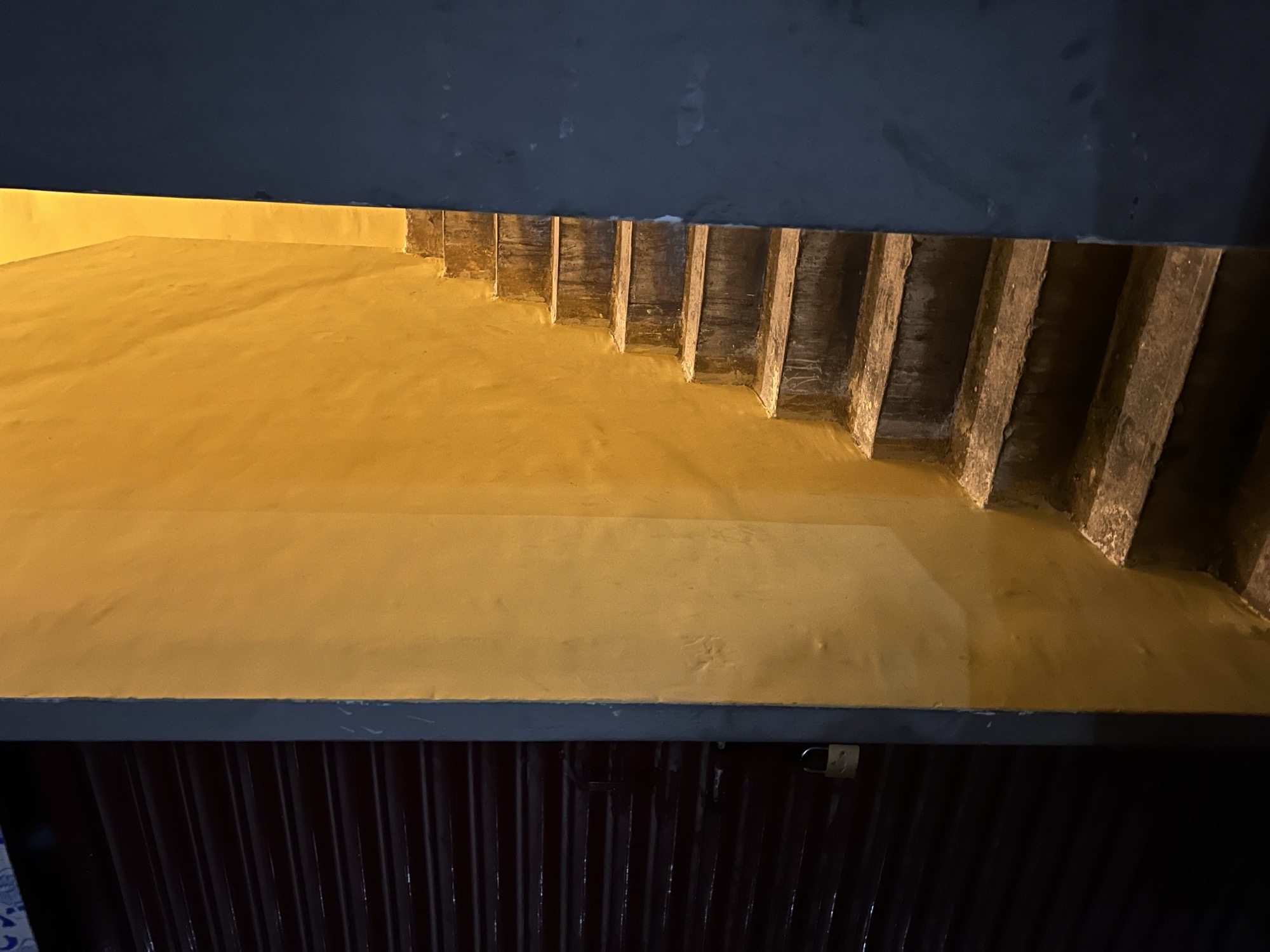
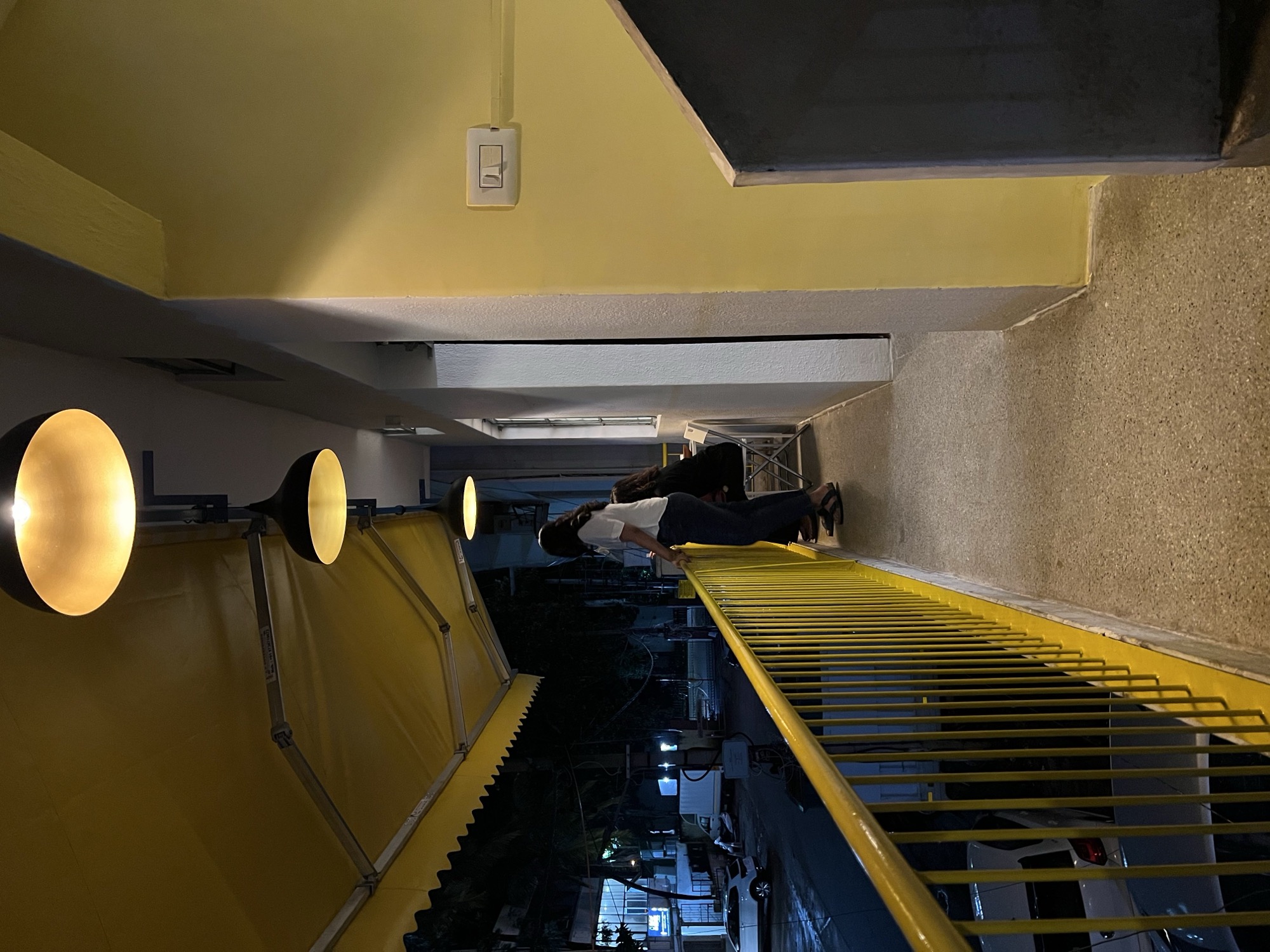
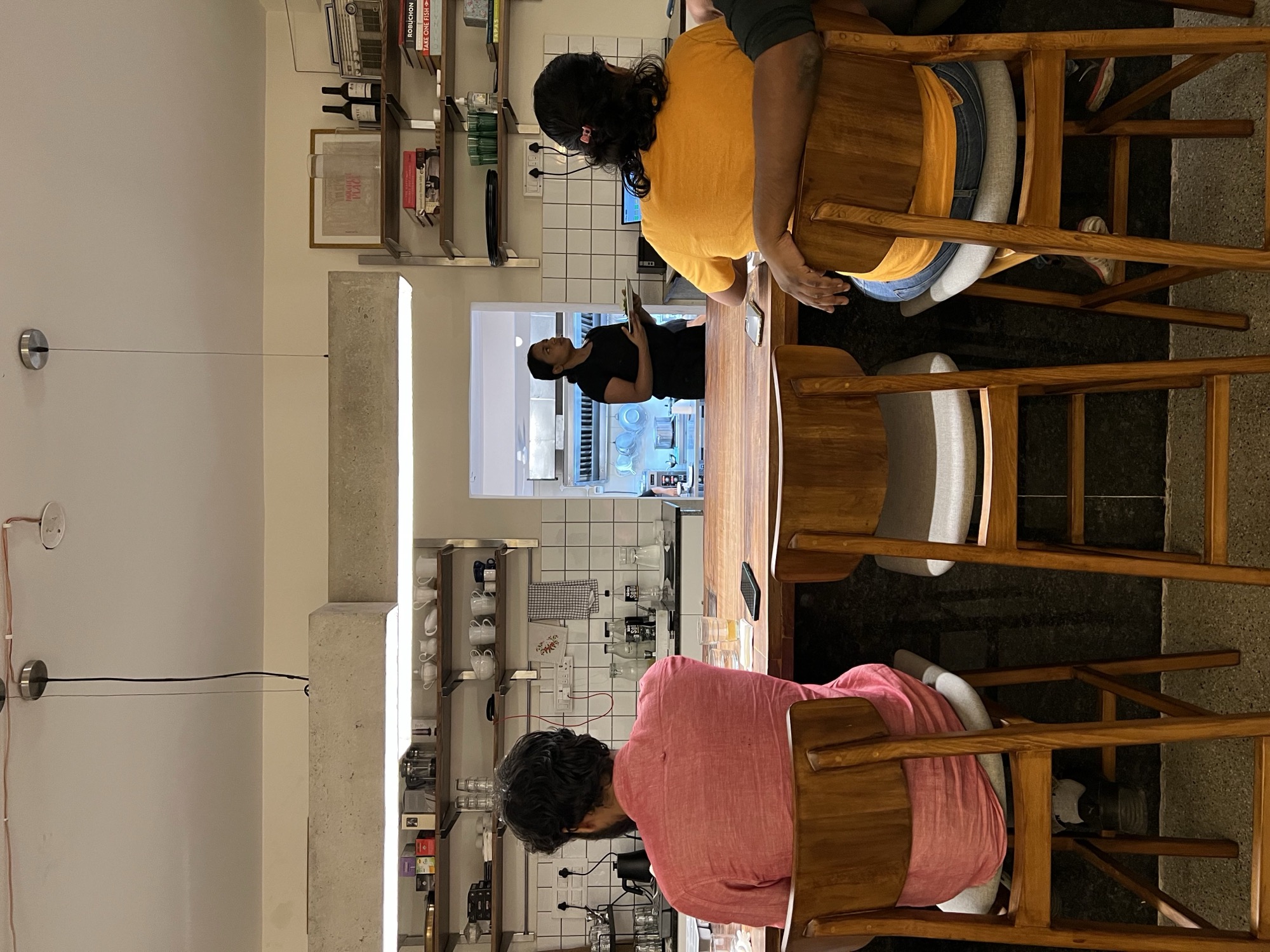
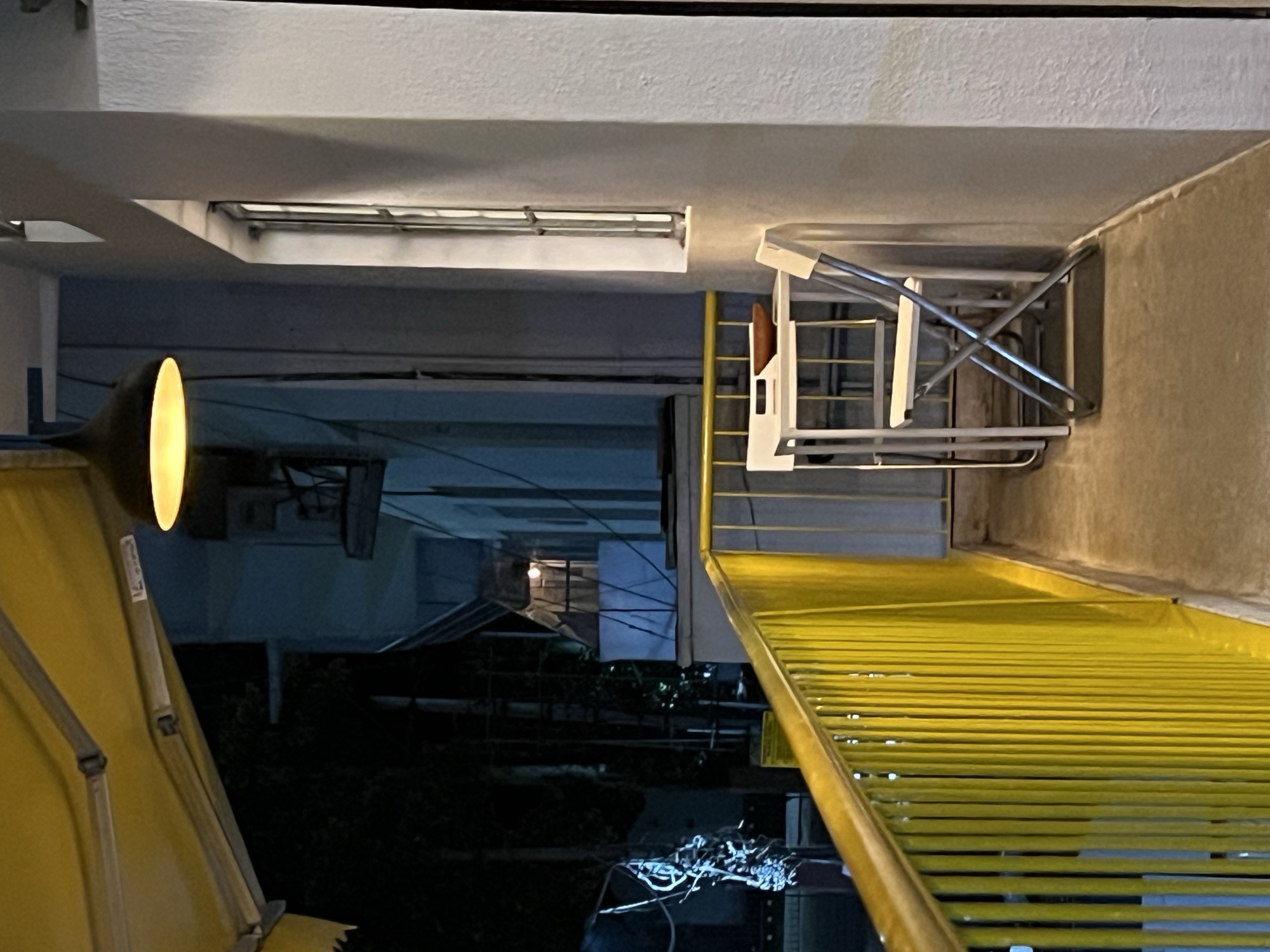
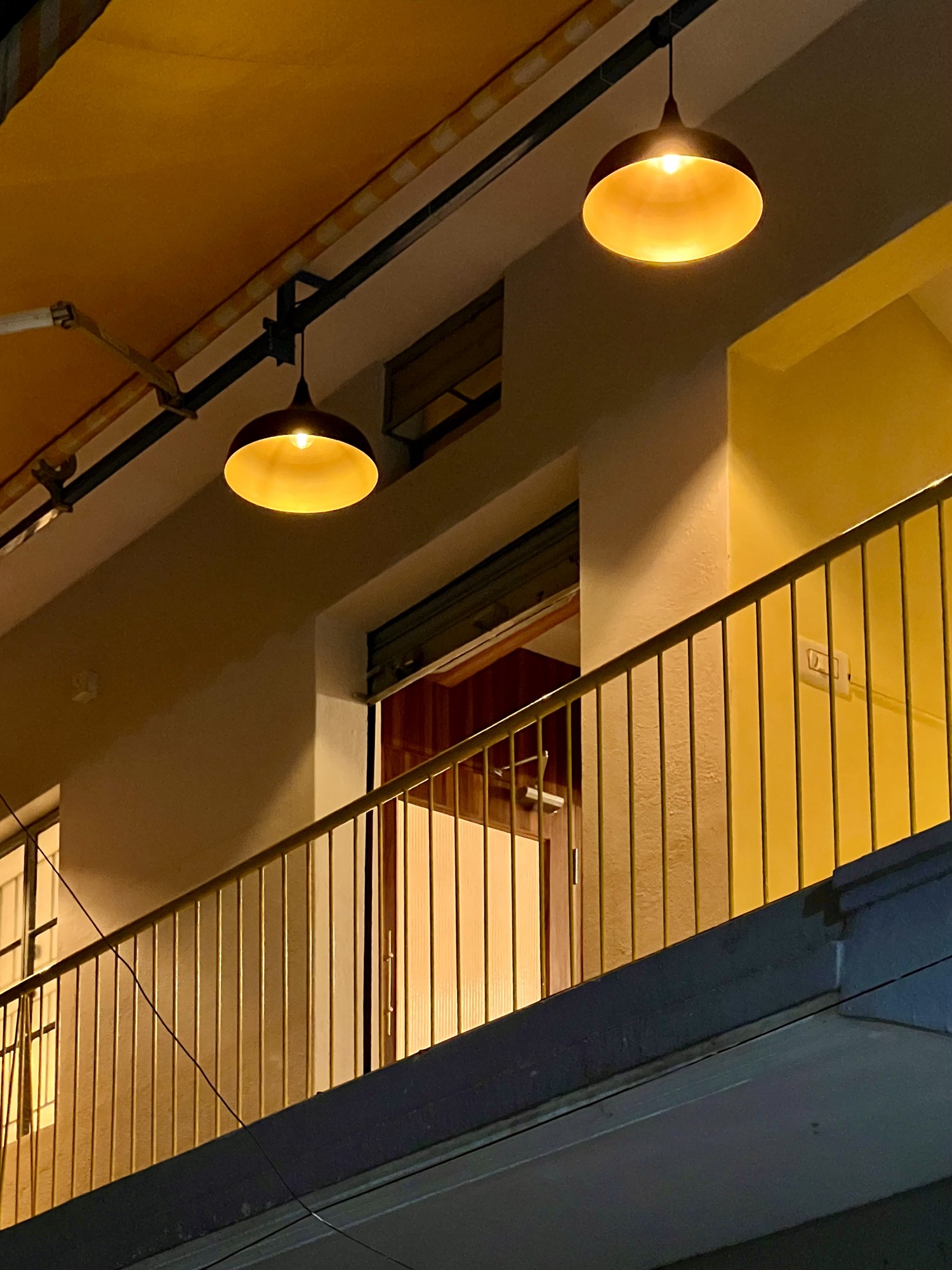
Pranav, a Principal at Studio Pomegranate, used to make it a point to initiate a correspondence with Kanishka every time he booked a flight to Bangalore. The objective of these messages was singularly focused. He wanted to ensure a meal at NĀVU during the period they were housed within the cavernous expanse of the Bangalore International Center. This recurring pilgrimage for food established a connection but the architectural collaboration did not begin immediately. By the time the studio and the founders began to speak in earnest about the future, NĀVU had already closed at the BIC. However the project that brought them together was initially far removed from the intimate bistro that exists today. The original architectural dialogue was centred on a much grander vision. The plan was to establish a large-format restaurant in the bustling hub of Indiranagar and the initial discussions were calibrated to that ambitious scale. Plans however are rarely linear. The vision for the massive Indiranagar outpost was eventually set aside in favour of a different approach. Kanishka and Pallavi decided to pivot away from the commercial grandeur of a large establishment to focus on a format that was more personal and sustainable. It is important to note that during this transition NĀVU was never truly homeless. While they searched for the right venue they maintained a dedicated kitchen space where the experimentation never ceased. They used this interim period to refine their culinary narrative and test new concepts in a laboratory setting. This phase of quiet experimentation was crucial as it solidified their desire for a space that felt less like a conventional restaurant and more like an extension of their own domestic hospitality. They eventually found this space in the same neighbourhood of Domlur but the context was entirely different from the institutional corridors of the BIC. It was located on the first floor of a nondescript building that lacked any clear architectural lineage or intent. The site itself presented a complex and often frustrating set of challenges. The building was poorly built and riddled with structural inconsistencies that betrayed a lack of planning. There were strange split levels that served no functional purpose and a staircase where the tread widths did not match which created a disjointed rhythm of movement. The project was further constrained by a budget that was extremely tight. The funds available were lower than what would typically constitute a standard design fee for a project of this scope. This financial reality meant that Studio Pomegranate could not rely on expensive finishes, imported materials, or extensive structural corrections to mask the faults of the building. The design process therefore became an exercise in leveraging instinct and an intimate knowledge of local fabrication. The studio had to work with the idiosyncrasies of the shell rather than fighting them. The overarching concept was to strip away the formality of a traditional restaurant to create a space that felt like a culinary living room. This was not about creating a set piece for dining but about crafting a domestic envelope where the barrier between the kitchen and the guest could be dissolved. The layout was dictated by the quirks of the existing floor plate. The studio used their own instincts to navigate the varying levels and structural columns. The undisputed centrepiece of the room is a long counter built entirely from solid local granite. Standing at a height of 900mm it functions as a hybrid between a bar and a chef's table. This specific height is critical to the social dynamics of the space. It lowers the centre of gravity in the room and ensures that a seated diner is at eye level with the person plating the food. It facilitates conversation and transforms the act of service into an act of hosting. Materially the space is an exercise in restraint, honesty, and resourcefulness. The existing terrazzo tile floor was retained and simply polished to reveal its age and the history of the previous occupants. While the signature yellow awning was a brand requirement from NĀVU, Studio Pomegranate integrated it into the architecture by detailing the custom railings and colour blocking the facade. This splash of colour serves as a beacon that breaks the visual monotony of the street. The construction process was difficult and involved a challenging relationship with a contractor who struggled with the details. This friction resulted in several execution errors remaining in the final build. In a typical luxury project these imperfections would be finished, or sanded down. However the studio chose to leave them exposed. There is a distinct honesty in that decision. The space does not try to hide its scars or the reality of how it was built. It accepts the flaws of the container just as a home accepts the wear and tear of life. This raw and unfinished quality makes the space feel accessible and human rather than curated and distant. The user experience is designed as a specific sequence of discovery that acts as a filter between the city and the dining room. It begins at street level where a small origami swan is painted on a yellow surface. This humble wayfinding marker signals the start of the transition. The guest looks up to see the yellow awning and railing before beginning the ascent. The climb is slightly tricky due to the varying stair dimensions which forces a moment of pause and mindfulness. One cannot rush up these stairs without paying attention. A turn at the landing leads to a timber entrance framed by fluted glass. Crossing this threshold transitions the guest immediately from the chaotic street into the intimate and warm world of NĀVU. The culinary offerings provided by Kanishka and Pallavi mirror this architectural ethos of honest imperfection and material truth. The menu is not bound by geography but rather by a rigorous pursuit of flavour cohesion. It is cuisine-agnostic and ingredient-led. The food reflects the same desire to bridge gaps that the architecture does. Dishes such as the signature Cauliflower Crème Brûlée subvert the traditional boundary between savoury and dinner or sweet and dessert. It challenges the diner's expectation of texture and taste much like the granite bar challenges the expectation of a restaurant counter. Seasonal variations play a significant role in the narrative. A fresh cherry pie might appear when the fruit is at its peak or a mustard ice cream might be served to offer a sharp and cold counterpoint to a warm evening. These dishes are complex in technique yet remain approachable in their presentation. They do not require an explanation to be enjoyed but they reward those who pay attention. This raw and tactile environment ultimately serves as the ideal foil for such cuisine. The coolness of the local granite counter and the patina of the terrazzo ground the dining experience and allow the texture of the food to take centre stage. The space mirrors the plate as both are stripped of unnecessary ornamentation to reveal a sophisticated and deeply personal core. In the end the imperfections of the building and the precision of the cooking find a balance. It is a space that feels complete not because it is perfect but because it is honest. 500 words The Unfinished Living Room Pranav, a Principal at Studio Pomegranate, initiated a friendship with Kanishka born from a recurring pilgrimage to eat at NĀVU during its tenure at the Bangalore International Center. Although NĀVU eventually closed its doors at the BIC, this connection evolved into a design partnership. The collaboration initially envisioned a grand restaurant in Indiranagar but plans pivoted toward a more sustainable and personal format. During this transition the founders maintained a dedicated test kitchen where they refined their culinary narrative into an extension of domestic hospitality. They found their new home on the first floor of a nondescript building in Domlur. The site presented a complex set of challenges including poor construction, purposeless split levels, and disjointed stair treads. Constrained by a budget lower than a standard design fee, Studio Pomegranate eschewed expensive finishes for instinctual local fabrication. They sought to strip away restaurant formality and create a culinary living room where the barrier between kitchen and guest dissolved. The layout navigates the shell's structural quirks. The room is anchored by a long counter built entirely from solid local granite. Standing at 900mm it functions as a hybrid bar and chef's table. This specific height lowers the centre of gravity in the room and ensures seated diners are at eye level with the plating process which transforms service into hosting. Materially the design exercises restraint. The existing terrazzo floor was simply polished to reveal its age while NĀVU’s signature yellow was integrated into custom railings and facade elements to break the street's visual monotony. A friction-filled construction process resulted in execution errors remaining in the final build. Rather than concealing these with cladding the studio chose to leave them exposed. This decision imbues the space with a raw honesty that accepts the container's flaws much like a home accepts life's wear and tear. The user experience serves as a filter between the city and the dining room. A small origami swan painted at street level signals the ascent. The climb up the uneven stairs forces a moment of mindfulness before a timber entrance framed by fluted glass transitions the guest into the intimate interior. Kanishka and Pallavi’s cuisine mirrors this architectural ethos of honest imperfection. Bound only by flavour cohesion, dishes like the savoury Cauliflower Crème Brûlée subvert expectations much like the granite bar challenges the concept of a counter. The cool stone and patinated terrazzo serve as the ideal foil for this texture-forward food. Ultimately the imperfections of the building and the precision of the cooking find balance in a space that feels complete because it is honest.
100 words Born from a friendship between Studio Pomegranate and NĀVU's founders, the project represents a pivot from commercial grandeur to intimate domesticity. Faced with a flawed building and a tight budget, the design embraces the "unfinished." The interior centers on a 900mm solid granite counter that acts as a communal hearth and dissolves the barrier between chef and diner. Existing terrazzo floors and exposed construction scars remain visible to provide a raw and honest backdrop. This tactile environment mirrors the texture-forward and cuisine-agnostic menu. Ultimately the building's imperfections and the cooking's precision find balance in a space that feels complete because it is honest.
Project Details
- Typology
- Hospitality
- Studio
- Studio Pomegranate